


-

Add: HeBei ShengShi HongBang Cellulose Technology CO.,LTD.
-

Email
13180486930@163.com -

CONTACT US
+86 13180486930




High Performance Computing (HPC) and Hydroxypropyl Methylcellulose (HPMC) might seem like disparate terms, but they represent pivotal influences in their respective domains—technology and material science. As the digital era sweeps across industries, understanding the roles these elements play in shaping technological advancements becomes indispensable. HPC is a cornerstone in computational processes, enabling large-scale simulations, complex calculations, and efficient data processing. Its significance is particularly pronounced in areas like climate modeling, physics simulations, and drug discovery where traditional computing methodologies fall short. HPC systems enhance computational capabilities by linking computer clusters to function as a single entity, thereby optimizing processing power and speed. Businesses and institutions harness this capacity to solve problems that were previously insurmountable, significantly reducing the time required for research and development. Conversely, HPMC stands as a key player in the pharmaceutical and construction industries. As a semi-synthetic polymer, it exhibits excellent properties that make it an indispensable additive. In pharmaceuticals, HPMC serves as a controlled-release agent, ensuring the active ingredient in a drug is distributed at an appropriate pace in the body, enhancing the drug's effectiveness and patient safety. In construction, HPMC is valued for its water retention and cement dispersion properties, crucial for improving the workability of cement and plaster, leading to prolonged setting times and enhanced durability of structures. Bridging HPC and HPMC is their shared goal of fostering innovation and efficiency. Companies integrating HPC into their processes can speedily analyze vast data sets to identify patterns and make informed decisions, perhaps even in the tailoring of drug formulations utilizing HPMC. Such synergy allows for an unprecedented level of product refinement and predictive modeling, elevating the standards of quality and safety. Furthermore, the intersection of HPC and HPMC is visible in material science, where simulations powered by HPC can predict how HPMC and other polymers interact at a molecular level. Such insights are crucial for the development of new materials with customized properties, thereby expanding the potential applications of HPMC in various industries. hpc hpmc In practical applications , HPC has dramatically altered how industries approach data. For example, in genomics, HPC provides the computational capacity to conduct comprehensive genome analyses, a task unmanageable without such technology. These analyses can propel forward research in genetic disorders, fostering early detection and personalized medicine. Similarly, in the realm of energy, HPC aids in optimizing the exploration and production of energy resources, enhancing both efficiency and sustainability. On the HPMC front, its versatility extends into the food industry, where it acts as a stabilizer, thickener, and emulsifier. The non-toxic and non-allergenic nature of HPMC makes it an attractive option in developing food products that meet stringent safety standards while retaining taste and texture. In the realm of personal care products, it is used to enhance the consistency and shelf life of goods such as lotions and creams. Given this context, businesses looking to leverage these innovations need to astutely integrate HPC into their strategic planning and utilize HPMC in product development to stay competitive. Organizations should invest in training and development of their workforce to gain expertise in these technologies, ensuring they remain at the forefront of their industries. Trust in these technologies comes from demonstrated success and scientific validation. For companies involved with HPC, regularly publishing peer-reviewed research and case studies can help bolster trustworthiness and transparency in their methodologies. Simultaneously, firms utilizing HPMC in products must comply with regulatory standards and publish their compliance and safety certifications to establish credibility and consumer trust. In conclusion, HPC and HPMC exemplify the potential inherent in technological and scientific advancement. While they operate in distinct spheres, their intersection presents endless opportunities for innovation and enhancement of products and services. By harnessing their capabilities, industries can not only improve their processes and offerings but also foster an environment where continuous improvement and cutting-edge solutions are the norms.
- 40000tons

Production
- 20+years

Experience
- 5000+㎡

Acreage

-

When delving into the world of hydroxypropyl methylcellulose (HPMC), understanding the various grades of viscosity is crucial for selecting the right product for specific applications. As a polymer widely used in construction, pharmaceuticals, and food industries, HPMC's versatility largely stems from its viscosity characteristics. This article aims to provide an authoritative insight into the intricacies of HPMC grades viscosity, helping you make informed decisions for your product needs. Viscosity in HPMC refers to the resistance of the polymer solution to flow, determined by measuring the time taken for the solution to pass through a specified instrument under controlled conditions. Grading is done on a centipoise scale (cP), with each grade reflecting a different viscosity level suitable for distinct applications. Lower grade viscosities, typically between 5 to 100 cP, are often employed in products requiring less thickening and more fluidity, such as in certain food and cosmetic applications. These are ideal for achieving light textures and ensuring seamless integration with other ingredients. As viscosity increases, so does the thickening capability of the HPMC. Mid-range viscosities, from 100 to 10,000 cP, serve as effective binders and stabilizers in personal care products and construction applications like tile adhesives and grout mixes. They provide an optimal balance between flexibility and strength, ensuring that products maintain their integrity under various conditions. In pharmaceuticals, these mid-range viscosities are critical in controlled-release formulations, where they influence the release rate of active ingredients. High viscosity grades, ranging from 10,000 to over 100,000 cP, find their niche in applications demanding maximum structural fortitude, such as in heavy-duty construction materials and high-quality paper products. These grades are engineered to deliver superior performance in terms of water retention, adhesion, and elasticity. For example, in the construction sector, high-viscosity HPMC is pivotal in enhancing the workable life of mortars and plasters, ensuring excellent bonding strength and reducing the risk of premature drying or cracking. hpmc grades viscosity An expert understanding of the viscosity grades of HPMC aligns with the needs of professionals seeking specific performance outcomes. Manufacturers consider these detailed viscosity specifications when formulating products to ensure they meet the exacting standards required by industries reliant on precise texture, consistency, and performance characteristics. Suppliers and end-users alike benefit from well-documented, empirical data accompanying each HPMC grade, reinforcing trust in its efficacy. Furthermore, sourcing HPMC from reliable, certified producers guarantees not only adherence to international standards but also assures that the product has undergone rigorous quality control measures. This aspect is vital for maintaining product integrity, supporting regulatory compliance, and enhancing consumer trust. In conclusion, HPMC grades viscosity is a key parameter influencing the product applications across various sectors . By leveraging a comprehensive understanding of these viscosity levels, experts can optimize product formulations for different industries, reinforcing their authoritative stance in the market. Selecting the appropriate HPMC grade ensures that the end-use application achieves the desired performance, meeting both professional standards and consumer expectations. This expert approach to HPMC usage will not only bolster product quality but will establish a trustworthy brand presence in an increasingly competitive market.
-
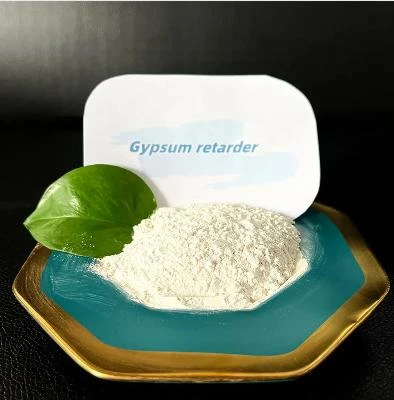
Hydroxypropyl Methylcellulose (HPMC) E6 stands out as an unparalleled option in the field of industrial and consumer applications, providing an impressive combination of durability, versatility, and cost-effectiveness. This article delves into its multifaceted uses, backed by real-world experiences and scientific expertise from industry veterans, reinforcing its indispensable role in various sectors. In the construction industry, HPMC E6 proves to be a crucial component in achieving superior quality results. Its ability to enhance water retention and improve workability in cement and gypsum-based formulations makes it a trusted additive for tile adhesives, plasters, and mortars. Contractors frequently share testimonials about projects that benefited from the reduced cracks and improved bonding strength provided by HPMC E6, leading to lasting structural integrity. These firsthand experiences align with studies indicating significant advancements in tensile strength and flexibility for HPMC E6-modified materials, underscoring its reliability in demanding construction environments. When shifted to the pharmaceutical industry , the impact of HPMC E6 becomes even more profound. As a highly regarded excipient, it serves various functions, notably in controlled-release formulations. Its consistency in quality and performance has earned the trust of pharmacists and formulary scientists worldwide. Experienced formulators frequently note the ease with which HPMC E6 can be hydrated and its stability across a range of pH levels, optimizing drug delivery systems. Peer-reviewed research corroborates these experiences, confirming its efficacy in maintaining drug stability and releasing active ingredients with precision. In the realm of personal care products, HPMC E6 showcases its excellence in texture enhancement and stabilization, making it a favorite among cosmetic chemists. Its ability to thicken and emulsify without compromising the sensory properties of beauty products is unparalleled. Users have expressed satisfaction with the smooth application and consistent performance of creams and lotions incorporating HPMC E6, attributing improved aesthetics and moisture retention to this remarkable additive. hpmc e6 Environmental considerations also highlight the strengths of HPMC E6, as it aligns with sustainable practices. Its biodegradable nature does not compromise performance, ensuring that industries utilizing HPMC E6 are also contributing to ecological preservation. Environmental engineers and sustainability experts advocate for its wider adoption, noting its effectiveness in aligning with green objectives without sacrificing the high standards required in various applications. The financial aspect cannot be overstated; businesses leveraging HPMC E6 for their production processes often observe significant cost savings. Its ability to replace multiple individual additives reduces complexity in formulations and curtails procurement expenses. Real-world cost analysis reports demonstrate a marked reduction in total expenditure, bolstering the argument for HPMC E6 as a cost-efficient ingredient in competitive markets. As industries evolve, the authority of HPMC E6 remains unchallenged, consistently proving its mettle through expert endorsements and ethical manufacturing standards. Its adaptability, proved through countless applications, continues to build trust among users and manufacturers alike, who view it as an essential component ensuring progress and innovation while maintaining quality and sustainability. In conclusion, HPMC E6 emerges as a cornerstone in various industries, accredited by the confluence of expert knowledge, user trust, and authoritativeness. As the world strides towards more complex and demanding applications, HPMC E6 is poised to lead the charge, setting benchmarks for efficacy and reliability while championing environmental responsibility.
advantages
-

200000 Viscosities
Excellent product
We can produce pure products up to 200,000 viscosities
-

40000 tons
High yield
We don’t stop production all year round, and the annual output can reach 40,000 tons
-

24 hours
Quality service
We provide 24-hours online reception service, welcome to consult at any time
———— Inquiry Form
Schedule A services
-
 hpmc_methocel
Oct . 25, 2025
Hydroxypropyl methylcellulose , commonly known as HPMC, is a versatile compound extensively utilized -
 hpmc_in_pharma
Oct . 25, 2025
Hydroxypropyl methylcellulose (HPMC), a multifunctional polymer, serves as a key excipient in tablet -
 buy_hpmc
Oct . 25, 2025
The Role of Starch Producers in the Ether Industry In the evolving landscape of modern industry, the


